
En Desmotivaciones desde:
11.09.2011
Última sesión:
Votos recibidos:
bueno▲ 1480 | ▼malo 1633


La razón de baneo:
cartel vulgar
puntos -9 | votos: 17
puntos 7 | votos: 13

puntos 0 | votos: 4

puntos 4 | votos: 4
![Compañeros. - Se llama fuego a la reacción química de oxidación violenta de una
materia combustible, con desprendimiento de llamas, calor, vapor de
agua y dióxido de carbono. Es un proceso exotérmico. Desde este
punto de vista, el fuego es la manifestación visual de la
combustión.
Se señala también como una reacción química de oxidación rápida
que es producida por la evolución de la energía en forma de luz y
calor.
El fuego ha fascinado a la humanidad durante siglos. Quizá el ser
humano cobró conciencia de su superioridad cuando dominó el fuego,
al que los demás animales temían. Sus primeros usos fueron el calor
y la defensa ante las alimañas, pero enseguida dio pruebas de que era
algo más. La simple observación de que la punta del palo, con que se
removían las brasas de una fogata, se carbonizaba y ganaba
dureza, convirtiéndolo en arma de caza más eficaz, fue el principio
de su aplicación como generador de técnicas.
Sir Isaac Newton PRS (25 December 1642 – 20 March 1727 [NS: 4
January 1643 – 31 March 1727])[1] was an English physicist,
mathematician, astronomer, natural philosopher, alchemist, and
theologian, has been considered by many to be the greatest and most
influential scientist who ever lived.[7]
His monograph Philosophiæ Naturalis Principia Mathematica, published
in 1687, lays the foundations for most of classical mechanics. In this
work, Newton described universal gravitation and the three laws of
motion, which dominated the scientific view of the physical universe
for the next three centuries. Newton showed that the motions of
objects on Earth and of celestial bodies are governed by the same set
of natural laws, by demonstrating the consistency between Keplers
laws of planetary motion and his theory of gravitation, thus removing
the last doubts about heliocentrism and advancing the Scientific
Revolution. The Principia is generally considered to be one of the
most important scientific books ever written.
Newton built the first practical reflecting telescope[8] and developed
a theory of colour based on the observation that a prism decomposes
white light into the many colours that form the visible spectrum. He
also formulated an empirical law of cooling and studied the speed of
sound.
In mathematics, Newton shares the credit with Gottfried Leibniz for
the development of differential and integral calculus. He also
demonstrated the generalised binomial theorem, developed Newtons
method for approximating the roots of a function, and contributed to
the study of power series.
Newton was also highly religious. He was an unorthodox Christian, and
wrote more on Biblical hermeneutics and occult studies than
on science and mathematics, the subjects he is mainly associated with.
Newton secretly rejected Trinitarianism, fearing to be accused of
refusing holy orders.
Cogito ergo sum-Barbarroja Filibustero](http://img.desmotivaciones.es/201110/des_194.jpg)
puntos -13 | votos: 29

puntos 0 | votos: 6

puntos -5 | votos: 15

puntos 0 | votos: 12

puntos 2 | votos: 10

puntos -18 | votos: 32
puntos 7 | votos: 15

puntos 3 | votos: 9

puntos 5 | votos: 13

puntos -45 | votos: 57

puntos -16 | votos: 34

puntos -18 | votos: 32

puntos 1 | votos: 5

puntos 7 | votos: 19
puntos 10 | votos: 12

puntos 8 | votos: 10
puntos 4 | votos: 6

puntos -20 | votos: 40

puntos 3 | votos: 3

puntos 2 | votos: 10
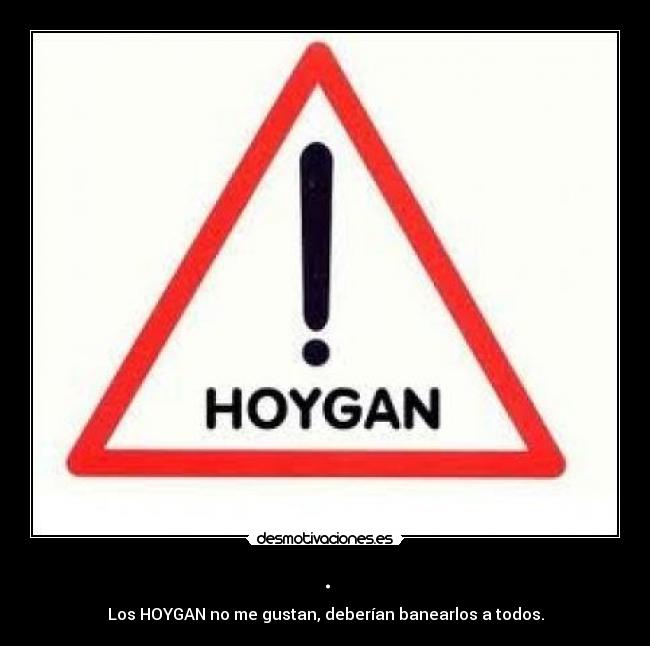
puntos 2 | votos: 4

puntos -23 | votos: 37
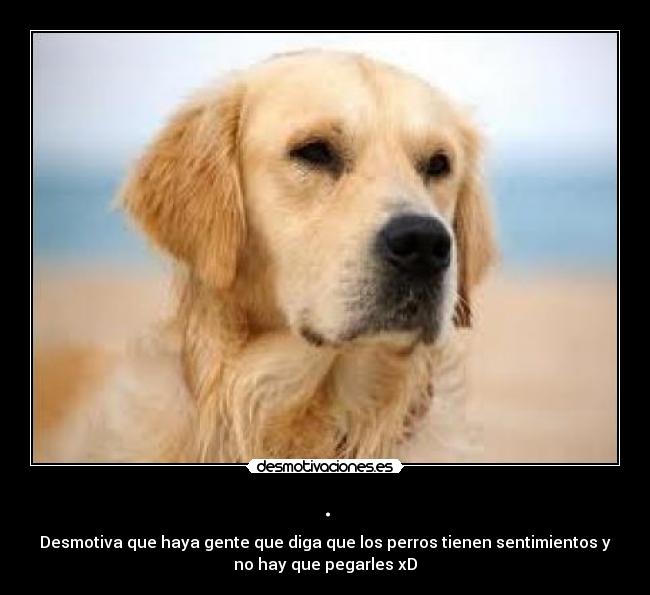
puntos -28 | votos: 46
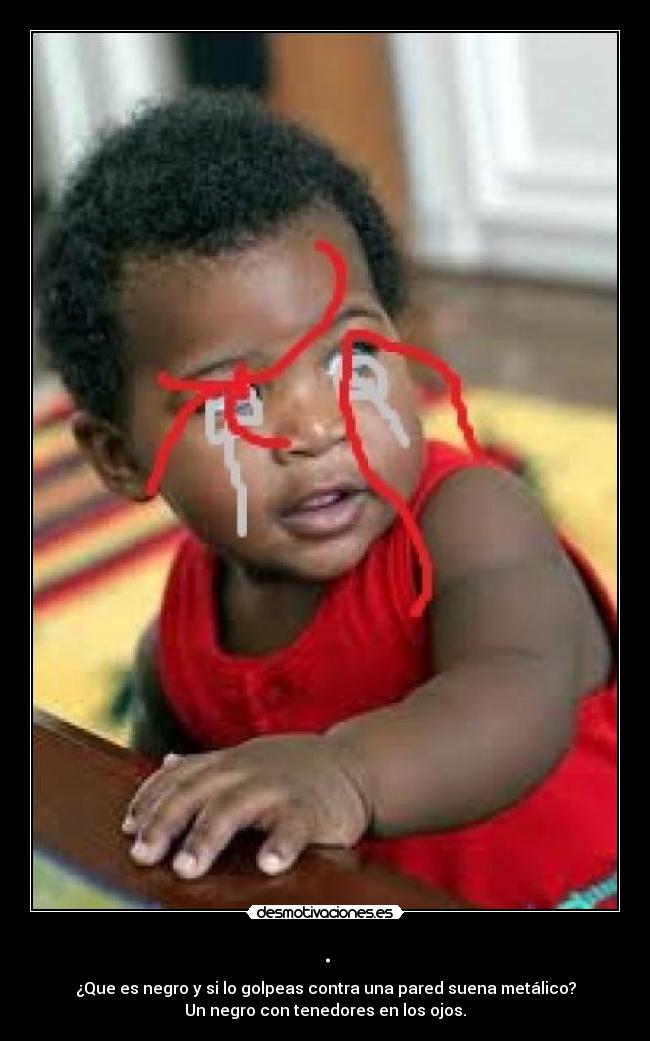
puntos 0 | votos: 8
puntos 11 | votos: 17
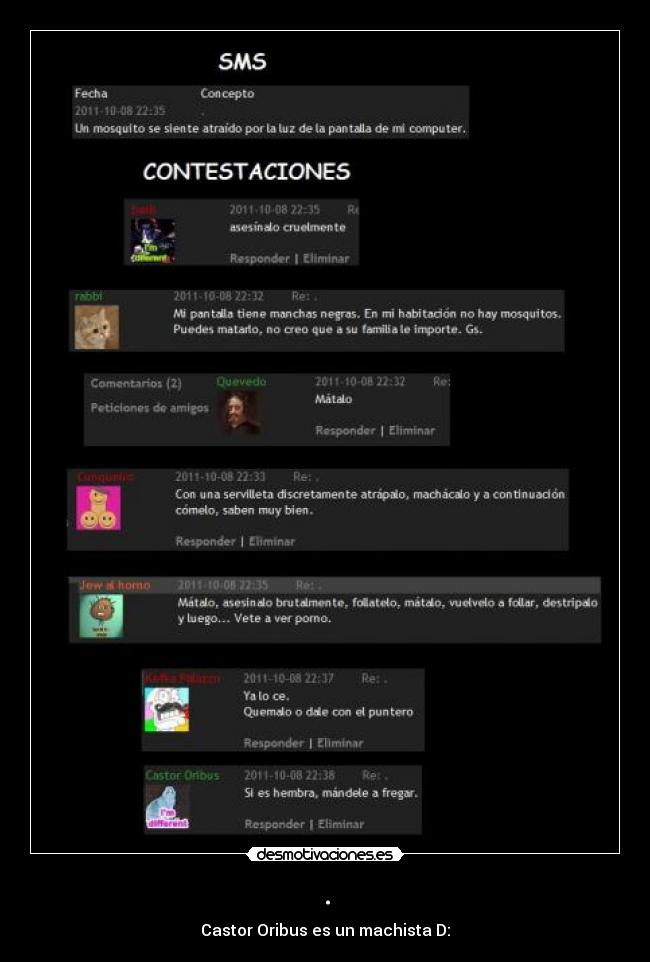
puntos 10 | votos: 10
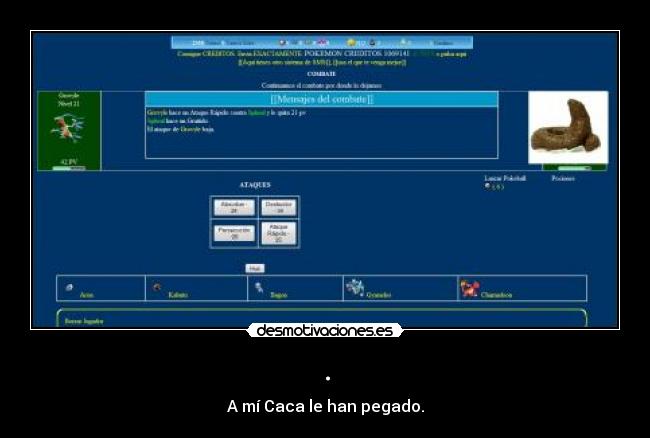
puntos 0 | votos: 4

puntos 11 | votos: 23

puntos -8 | votos: 36
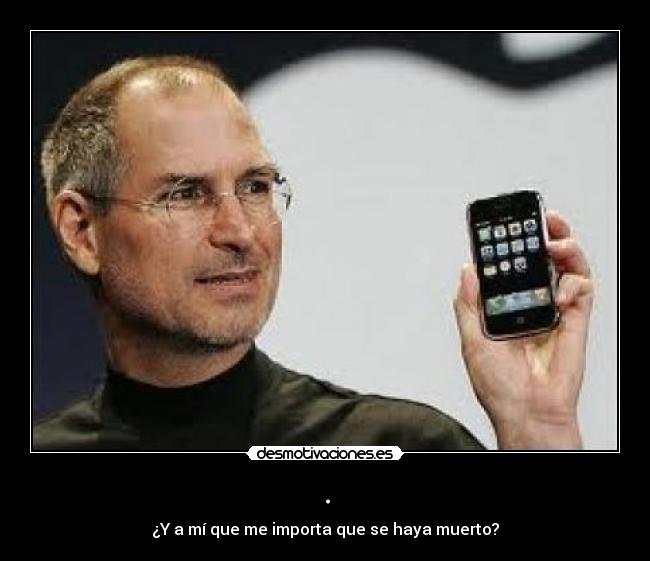
puntos -7 | votos: 11

puntos -1 | votos: 9

puntos -14 | votos: 18

puntos 2 | votos: 12
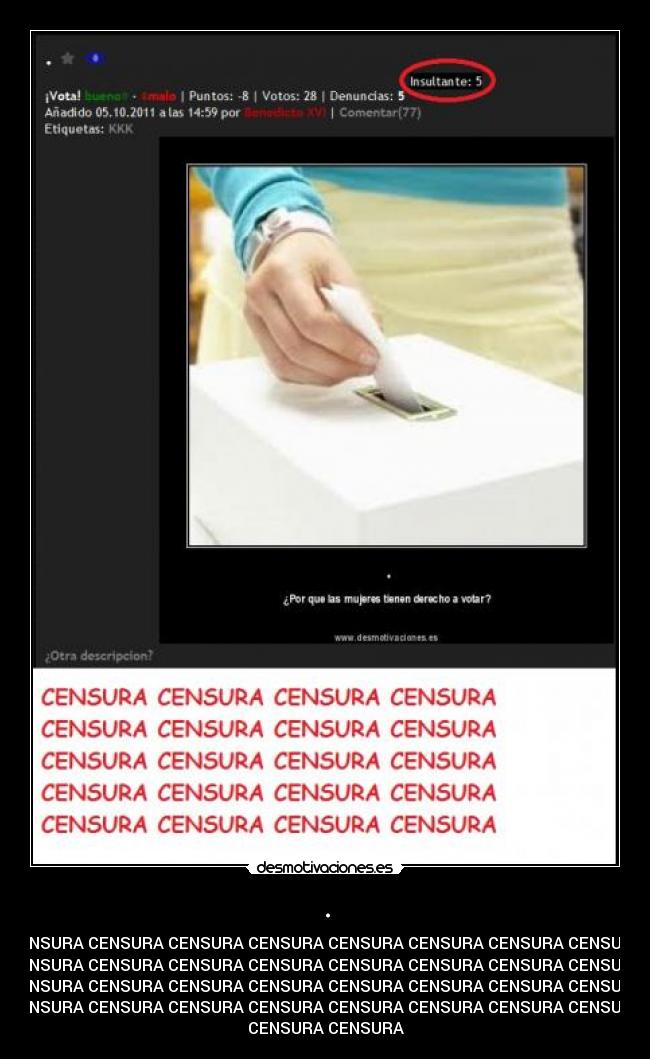
puntos -37 | votos: 47

puntos -17 | votos: 23
puntos -14 | votos: 22
puntos 11 | votos: 13

puntos -35 | votos: 47

puntos -10 | votos: 14
puntos 10 | votos: 14
puntos 5 | votos: 9

puntos 10 | votos: 16
puntos 17 | votos: 27
puntos 5 | votos: 11
puntos -28 | votos: 40
puntos -24 | votos: 32
LOS MEJORES CARTELES DE
abrazos alegria alma amigos amistad amor animales anime arte ausencia ayuda besos bogota caracter casa celos cine comida confianza corazon chiste criticas debilidad deportes desamor deseos desmotivaciones destino dinero dios distancia dolor dormir enemigo enfados escuela espana esperanza examenes facebook fail familia felicidad fiesta filosofia fisico frases futbol gatos graciosas guerra hipster historia humor ideas idioma ignorancia imaginacion imposible infancia internet libertad literatura llorar locura madre madurar memes mentira mexico miedo motivaciones muerte mujer mundo musica naruto naturaleza navidad obstaculos odio olvidar padre padres pasado pensamientos pokemon politica problemas promesas recuerdos religion risa rock sentimientos sexo silencio simpsons sociedad soledad sonrisa sueños tatuajes tetas tonto trabajo tristeza tuenti verano vida videojuegos
Número de visitas: 12914173855 | Usuarios registrados: 2089675 | Clasificación de usuarios
Carteles en la página: 8030189, hoy: 18, ayer: 27
blog.desmotivaciones.es
Contacto | Reglas
▲▲▲


Carteles en la página: 8030189, hoy: 18, ayer: 27
blog.desmotivaciones.es
Contacto | Reglas
▲▲▲